
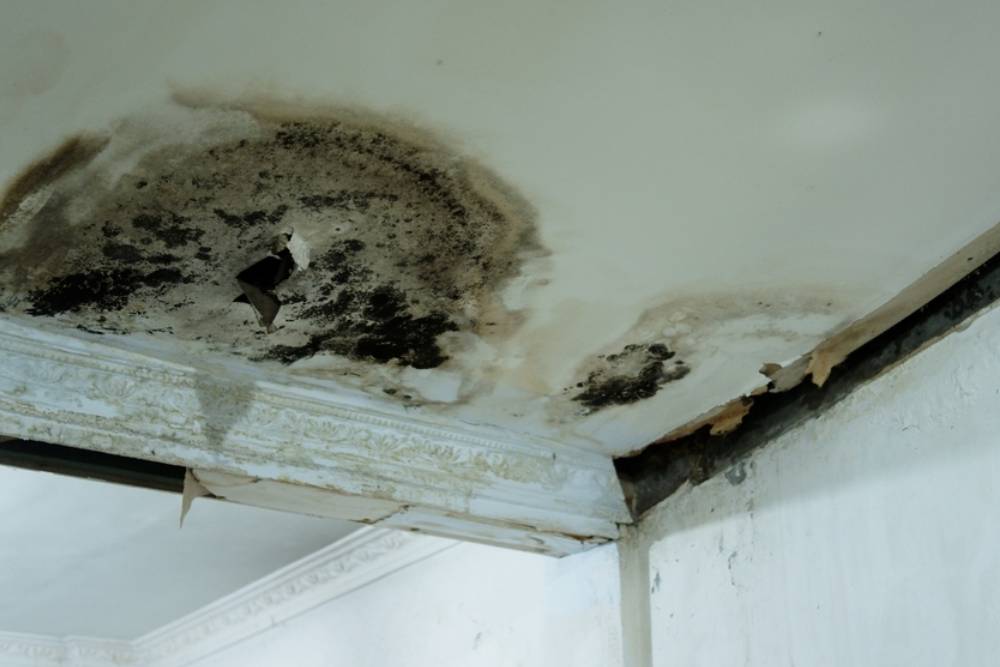
Water intrusion and mold are among the most disputed property damage issues in older homes and multi-unit buildings across Rhode Island, Massachusetts, and Connecticut. Aging roofs, original masonry, and decades of patchwork repairs can allow moisture to enter slowly, staying hidden until staining, odors, or respiratory symptoms appear. Because mold can spread behind walls and under floors, documentation and early mitigation often determine whether an insurer views the loss as a sudden covered event or a long-developing condition.
The Dangers of Mold Damage and Water Intrusion in Older Properties
Older properties across Rhode Island, Massachusetts, and Connecticut often have multiple moisture entry points and legacy building materials that hold water longer once they get wet. When water intrusion persists, mold growth and structural deterioration can accelerate quickly, and both can trigger coverage disputes if the source and timeline are unclear.
Hidden moisture behind finished surfaces
Water can travel behind drywall, plaster, paneling, and cabinets, remaining out of sight until staining, warping, or odor appears. This delay can increase both the repair scope and the risk that an insurer characterizes the damage as ongoing seepage rather than a sudden event.
Roof and flashing failures on aging assemblies
Worn shingles, degraded membrane seams, and older flashing details can admit water during storms, especially around chimneys, valleys, and roof penetrations. Repeated wetting of attic insulation and roof decking can lead to rot, sagging, and mold on sheathing.
Window and door seal breakdown
Older windows often have failed glazing compound, cracked caulk, or deteriorated sills that funnel water into wall cavities. Over time, trapped moisture can damage studs, subfloors, and interior finishes well beyond the visible leak area.
Plumbing pinhole leaks and slow supply-line failures
Aging copper, galvanized piping, or poorly supported lines may leak slowly under sinks, in chases, or behind fixtures. Even small, continuous leaks can saturate subfloors and create widespread microbial growth before they are discovered.
Mold-related health and habitability concerns
Damp and moldy environments are associated with symptoms such as nasal congestion, coughing, and wheezing in some individuals, and they may aggravate asthma. When occupants report symptoms, the property owner may face additional pressures such as relocation costs and time-sensitive remediation decisions.
How to Justify Mold Damage and Water Intrusion Claims?
Successful claims usually depend on connecting the mold to a specific water source and a clear timeline, supported by objective documentation. The goal is to show what happened, when it happened, what you did to prevent further damage, and how a property water damage lawyer can assist in your claim.
Identify a specific water event or source
Tie the mold to a defined trigger such as a roof breach during a storm, a burst supply line, or an appliance discharge, rather than general dampness. A clear source supports the argument that the loss resulted from a covered peril rather than gradual seepage or maintenance issues.
Document the discovery timeline and progression
Keep dated photos and written notes showing when staining, odors, bubbling paint, or visible growth first appeared and how it changed. A timeline can help rebut arguments that the condition existed long before notice was given.
Preserve evidence before remediation begins
Photograph conditions thoroughly, keep damaged materials when feasible, and retain any lab results or sampling documentation if performed. Early preservation helps address later disagreements about extent, causation, or whether mold was present before the reported event.
Mitigate promptly and keep mitigation records organized
Use reputable drying and remediation vendors and retain emergency invoices, equipment logs, and work authorizations. Insurers often evaluate whether reasonable steps were taken to prevent additional damage after discovery.
Separate building repairs from contents and additional expenses
Track damaged personal property, temporary housing, and out-of-pocket costs with receipts and a running ledger. Clear categorization makes it easier to evaluate what is reimbursable and prevents items from being overlooked.
Can a Property Damage Lawyer Help Your Cause?
Property damage lawyers can help by turning a scattered set of contractor notes, photos, and emails into a coherent causation narrative that matches the policy wording. This is especially useful in older properties, where insurers may argue that the loss reflects long-term seepage or deferred repairs rather than a covered event.
Legal support is equally important when the dispute extends beyond insurance into responsibility questions, such as whether a landlord, condominium association, property manager, or prior owner failed to address known water entry. The decision on Curreri v. Saint addressed mold-related allegations in housing contexts, reflecting that mold disputes can involve both property damage and habitability issues depending on the facts.
Additionally, a property lawyer in RI can also explain how Rhode Island claim-handling rules interact with the deadlines and conditions written into your policy. When the stakes include expensive remediation, damaged contents, and displacement expenses, many property owners choose to involve property damage lawyers to help keep the claim record complete and the communications disciplined.
Understand Water Intrusion and Mold Claims for a Seamless Recovery Process
Water intrusion and mold losses in older buildings are often decided by early documentation, credible source identification, and consistent mitigation proof, not by the size of the visible stain. Because coverage frequently turns on causation, timing, and policy conditions, a careful claim file can reduce avoidable disputes and shorten the path to repairs.For Rhode Island property owners seeking help and the next steps, schedule a consultation with Palumbo Law or call (401) 490-0994.