
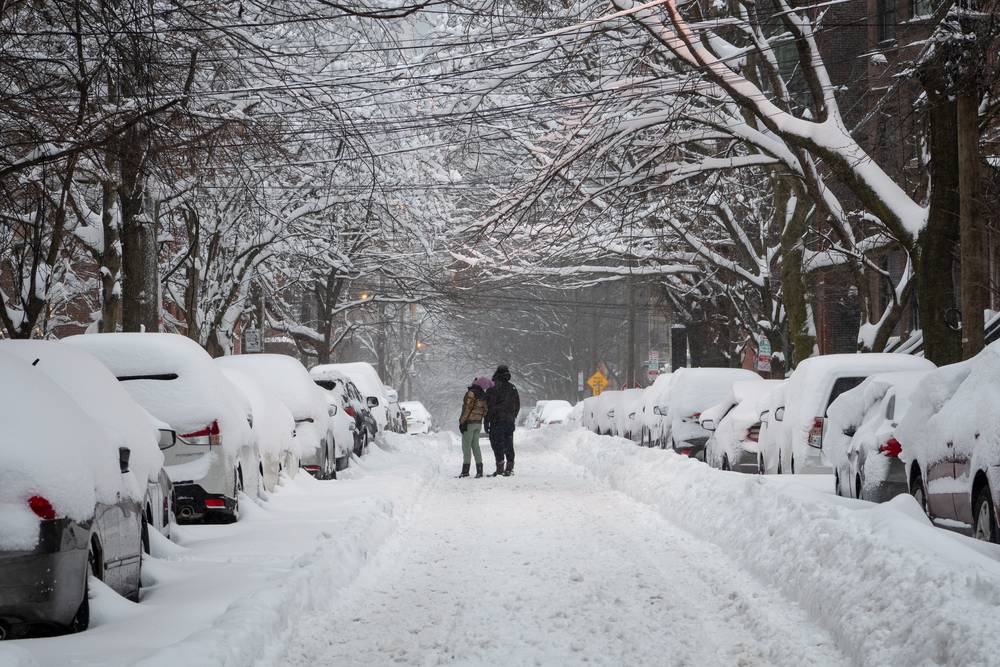
Nor’easters and winter storms can leave behind damage that is easy to miss during the first cleanup. Moisture intrusion, shifting, and freeze-related failures may not show up until weeks later, when staining, odor, or structural movement becomes visible. In Rhode Island, Massachusetts, and Connecticut, these late-appearing issues can affect both repair costs and insurance outcomes. This overview explains what to watch for and how property damage lawyers can help you document and pursue covered losses.
How Often Do Winter Storms Happen in Rhode Island?
Winter storms are a recurring New England reality, with nor’easters most common and often strongest from September through April. Rhode Island has also been affected by numerous high-impact winter storm events over the past several decades, including a substantial number of winter storms among the state’s billion-dollar weather and climate disasters tracked by the National Oceanic and Atmospheric Administration. These storms routinely bring a combination of heavy precipitation, strong winds, coastal flooding risk, and rapid temperature swings, which is why hidden damage is so common even when visible impacts look minor at first.
What Are the Usual Hidden and Long-Term Property Damages After a Winter Storm?
Hidden damage often results from water moving where it should not, followed by repeated freezing and thawing that enlarges small defects. Use the list below as a practical checklist during the days and weeks after a storm.
Ice dam seepage under roofing and flashing
Ice dams can force meltwater beneath shingles and into the roof deck, wetting insulation and ceilings without an obvious active leak. Over time, trapped moisture can lead to warped drywall, compromised wood sheathing, and recurring staining that returns after each warm-up.
Wind-driven rain intrusion behind siding and trim
Strong coastal gusts can push rain laterally into gaps around windows, soffits, and siding joints. The first sign is often peeling paint or soft trim, but long-term effects can include rotted sheathing and hidden microbial growth inside wall cavities.
Attic condensation and damp insulation
After a storm, ventilation paths can be blocked by snow or wind-blown debris, and warm interior air can condense on cold roof surfaces. Wet insulation loses performance, raises heating costs, and can keep framing damp for extended periods.
Basement seepage and hydrostatic pressure damage
Heavy precipitation and snowmelt can saturate soil around foundations, forcing water through hairline cracks or at the cove joint. Even small seepage can deteriorate finishes, damage stored contents, and weaken masonry over repeated seasons.
Sump pump failure and sewer or drain backup
Power loss, frozen discharge lines, or mechanical failure can cause sump systems to stop when you need them most. When municipal systems are overwhelmed, backups can bring contaminated water into lower levels, creating sanitation issues and expensive removal needs.
Frozen or burst piping with delayed discovery
Pipes can split during a freeze but leak later when temperatures rise and pressure returns. Slow leaks inside walls can silently saturate framing and flooring, leading to cupping, swelling, and mold odors that appear well after the storm.
Roof load stress and subtle structural movement
Heavy snow load can stress trusses and rafters and may not cause immediate collapse, but it can create sagging ridgelines, cracked plaster, or sticky doors. These symptoms can worsen over time if the underlying deformation is not corrected.
Damage to exterior systems and hidden corrosion
Salt spray and repeated wetting can accelerate corrosion on fasteners, outdoor electrical connections, and heating equipment components. Problems may not surface until months later as connectors fail or systems operate inefficiently.
How Can a Property Damage Lawyer Help?
Insurance outcomes often depend on documentation, timing, and clear causation evidence connecting damage to a covered peril. The steps below reflect common ways a property lawyer in RI supports policyholders across Rhode Island, Massachusetts, and Connecticut.
Policy review tied to practical proof needs
Counsel reviews coverage grants, exclusions, deductibles, and endorsements to identify what must be proven and what documentation is most persuasive, including mitigation records and repair timelines.
Building a claim file that insurers must address
A thorough record often includes dated photos, moisture readings, contractor scopes, and receipts for temporary repairs. Organized evidence helps reduce disputes about pre-existing conditions versus storm-caused damage.
Using appraisal and dispute tools when scope or price is disputed
The appraisal process in Rhode Island in property policies has received significant attention from the Supreme Court in recent decisions involving storm-related disputes, underscoring the importance of carefully following the policy process.
Addressing delay and claims-handling compliance
Rhode Island claims regulations include prompt-investigation expectations, such as starting a necessary investigation within fifteen days after receiving proof of loss. When files stall, counsel can press for written timelines and clear explanations tied to policy terms.
Reducing underpayment drivers such as scope cuts and depreciation
Attorneys challenge omissions in an insurer estimate, document code-related repair needs, and dispute unreasonable depreciation or item pricing that does not match local repair reality.
Protecting Your Home After Winter Storms With Insurance-Ready Proof
Hidden storm damage is common in Rhode Island, Massachusetts, and Connecticut because water intrusion and freeze-thaw cycles can expand small defects into major repairs. A careful post-storm inspection, prompt mitigation, and consistent documentation help protect health, property value, and claim eligibility. When coverage disputes arise, property damage attorneys can help align evidence with policy duties and enforce fair handling expectations. When it comes to property loss claims, we guarantee that there will be no fees unless successful. Schedule a consultation today with Palumbo Law or call (401) 490-0994.