
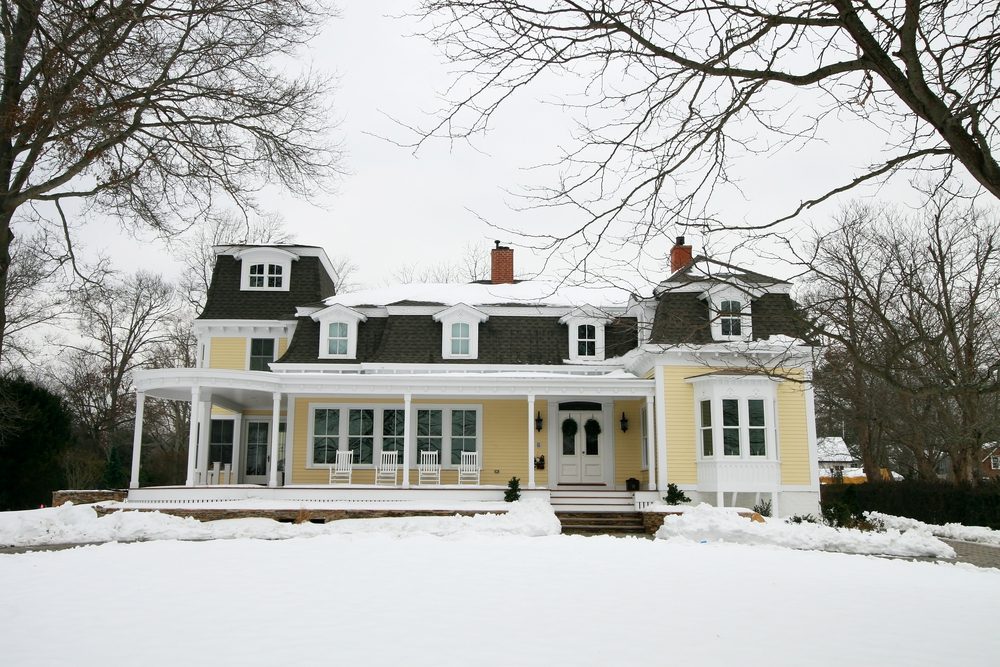
Rhode Island, Massachusetts and Connecticut winters can arrive quickly, bringing freezing rain, heavy snow, and days of sub‑freezing temperatures that strain homes, vehicles, and insurance policies. Preparing now protects your family, limits liability, and helps you avoid costly interruptions and claims. This guide blends practical safety steps with legal awareness for Ocean State homeowners and small landlords. If you need individualized guidance on rights, duties, or claims, speak with a property attorney who understands local codes and insurance obligations.
Winter Proof: Handy Checklist for Property Owners
Before storms hit, walk your property with a notepad and phone camera. Document pre‑season conditions, schedule repairs, and keep receipts – maintenance records often support insurance claims and reduce disputes about pre‑existing wear. Review your homeowners or landlord policy, confirm snow and ice‑related coverage, verify water‑damage exclusions, and note any deductible changes or endorsements for sump pumps, backup generators, or service lines. If you host tenants or short‑term guests, align your lease and house rules with winter policies such as snow removal timing, walkway treatment, and heat minimums. Finally, store emergency numbers for utilities, tow services, and your insurer so you can act fast when conditions deteriorate.
Home: Indoors and Outdoors
Two quick steps make the rest of your winter prep far easier: document your baseline conditions and schedule preventive maintenance before the first deep freeze. Doing both creates a clear record of due care that can help when discussing coverage with a home property damage lawyer or your insurer.
Ensure that the heating and cooling system in your home is working well
Replace filters, clear vents, and book a pre‑season service. A tuned system improves efficiency and safety, lowers the risk of furnace shutdowns, and creates a paper trail showing you met a reasonable standard of care if a habitability issue is raised.
Inspect windows and doors for leaks and cracks
Inspect weatherstripping, thresholds, and caulking. Small gaps force heating systems to work harder, increase utility costs, and can lead to condensation and mold, both common sources of habitability complaints and claims.
Schedule a roof and gutter check
Remove debris and verify that downspouts drain away from the foundation. Clear gutters reduce ice dams that cause ceiling leaks and interior water damage; quick documentation of the cleanout can help when speaking with a home property damage lawyer after a storm.
Prevent frozen and burst pipes
Insulate exposed piping, seal rim joists, and keep interior temps consistent. During deep freezes, let faucets drip and open cabinet doors over sinks on exterior walls. Know your water shut‑off and label it for quick action if a line bursts.
Reduce or prevent accidents to protect your assets
Treat walkways and stairs with ice‑melt, install handrails where needed, and ensure exterior lighting works. Timely snow and ice removal reduces slip‑and‑fall risk and supports premises liability defenses by showing you acted promptly and reasonably after weather events.
Vehicles
Winter road safety starts before the first flurry. Be sure to confirm your vehicle is ready for cold starts, short‑daylight commutes, and slick surfaces. A few checks improve handling and visibility while reducing the chance of emergencies during storm advisories.
Ensure your headlights and windshield are in the best shape
Confirm bulbs, wipers, and washer fluid rated for sub‑freezing temps. Clear visibility reduces crash risk and supports safe‑driving obligations when conditions are poor.
Pack your supplies early
Keep an ice scraper, blanket, gloves, non‑perishable snacks, water, phone charger, small shovel, traction aids, and a basic first‑aid kit. A stocked vehicle kit turns minor setbacks into manageable delays.
Inspect your car’s battery
Cold snaps reduce battery output. Test it, clean terminals, and replace aging units to avoid being stranded during travel bans or limited‑service periods.
Ensure the tire pressure is at its optimal state
Air pressure drops as temperatures fall. Verify tread depth and maintain manufacturer‑recommended PSI to improve traction on slush and black ice.
Stay Safe and Ready this Winter
Winter readiness is both a safety investment and a legal safeguard: it protects people, preserves property value, and helps prevent disputes with insurers, tenants, and guests. By documenting maintenance, following reasonable snow and ice routines, and addressing leaks, heat, and pipes before the first deep freeze, you reduce risk across the board. If a storm does cause damage or injury, prompt notice to your insurer and organized records make the process smoother with a home property damage lawyer.For additional guidance grounded in Rhode Island, Massachusetts and Connecticut law and practical risk management, PALUMBO LAW is ready to discuss with you the next steps that you should take and provide clear direction for your situation. Contact us today to schedule a consultation.