
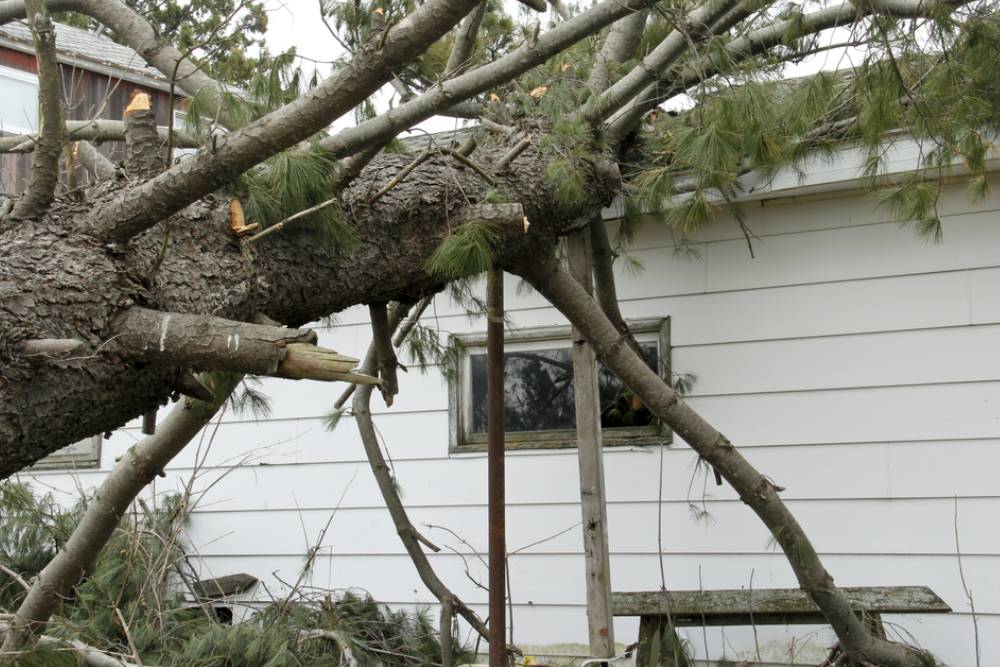
Property owners in Rhode Island, Massachusetts, and Connecticut depend on insurance to restore their homes after damage from wind, water, fire, and winter. Issues can arise when insurers fail to investigate quickly, use unfair valuation methods, or delay payments while repair costs and temporary living expenses continue to rise. These disputes may involve questions about improper claims handling and, in some cases, bad faith under state law. This article outlines common warning signs and how property damage lawyers can help uphold policy rights.
What Happens When Insurers Fail to Pay Fairly?
Unfair handling can appear in everyday claim decisions that leave homeowners facing incomplete repairs, repeated requests, or unexplained delays. The examples below highlight common problems seen in property damage claims throughout Southern New England.
Low estimates that omit necessary work
An adjuster may focus only on visible damage, leaving out moisture mapping, tear-out, code-related work, or matching materials, which can lead to higher costs for the homeowner when contractors begin repairs.
Partial payments without addressing undisputed amounts
Rhode Island claims regulations specify timely handling and payment expectations, including the requirement to pay undisputed amounts within set timeframes after liability is confirmed.
Causation decisions that lack support
Some denials use labels like wear and tear or faulty workmanship without clearly linking these to the observed damage pattern or providing testing results or a defensible report.
Delay that increases loss severity
Slow inspections or prolonged back-and-forth can worsen water damage, raise drying and remediation costs, and increase additional living expenses, creating further disputes.
Appraisal disputes that affect fairness and confidence in outcomes
The decision in New England Property Services Group, LLC v. Vermont Mutual Insurance Company addressed issues linked to appraisal procedures and neutrality, demonstrating how procedural problems can influence results.
Common Instances of Bad Faith in Property Claim Matters
Standards for bad faith differ by state, but many disputes share similar patterns of conduct. These examples may help homeowners identify behaviors that need closer examination.
Failure to communicate clearly or on time
Lack of communication, vague status updates, or unexplained delays might violate claims-handling expectations set by regulation and statute, especially when the insurer already has the necessary information to make a decision.
Misrepresenting policy terms or important facts
Claims of unfair settlement practices in Massachusetts often reference Chapter 93A and Chapter 176D standards, including allegations like misrepresenting key facts or policy provisions and failing to act promptly.
Using inconsistent reasons for denial
Insurers may initially deny a claim based on one exclusion, then shift reasoning when new documentation appears, suggesting the carrier is searching for justification instead of evaluating the facts in good faith.
Selective use of experts or reports
A carrier might depend on an engineer’s report that ignores clear evidence, overlooks testing, or presumes prior damage without justification, then refuse to consider a qualified rebuttal report.
Pressuring policyholders into attrition
Delay tactics, repeated requests for documents, and frequent changes in adjusters can lead homeowners to accept less than what is needed to restore their property, especially when housing and contractor schedules are tight.
How Can a Property Damage Attorney Help?
A property damage attorney’s role is to transform the claim into a clear, policy-based demand with deadlines and documentation that the insurer must address. The steps below outline common ways attorneys support homeowners in Rhode Island, Massachusetts, and Connecticut.
Policy and endorsement analysis linked to proof
Attorneys review the declarations page, exclusions, conditions, deductibles, and endorsements to determine coverage and identify the evidence that best supports causation and scope.
Creating a claim record that can withstand scrutiny
This often involves gathering contractor scopes, photos, moisture readings, receipts for mitigation, and a written timeline describing when damage was found and what steps were taken to prevent further loss.
Challenging scope limitations and unfair depreciation
Attorneys can demand written explanations tied to policy language, dispute missing line items, and present detailed estimates and supporting documents to address undervaluation.
Enforcing reasonable timing and payment obligations
Rhode Island claims regulations include requirements for confirming or denying liability within a reasonable time and making payments for undisputed amounts promptly once liability is confirmed.
Know What to Do When Insurance Bad Faith Warning Signs Surface
Disputes over insurance bad faith often start with practical issues like delays, omitted scopes, changing denial reasons, or unsupported causation claims, leaving homeowners with incomplete repairs. Rhode Island regulations and local case law highlight the importance of documentation, timelines, and maintaining process integrity when payments are questioned.For a straightforward review of your claim file, estimates, and insurer letters, schedule a consultation with Palumbo Law or contact (401) 490-0994.